
Got an email from Shaun Langley at Kolbe Corp this week asking two questions.
- Am I leveraging each person’s natural strengths?
- Is there a small change that could make collaboration easier?
Great questions. They got me thinking about something I see when working with leadership teams.
I’ve run Kolbe with pretty much every leadership team I work with. It’s always interesting seeing people discover how differently they instinctively approach work, and what that means for how they work together.
Some teams bring their results into everyday conversations. Others might benefit from revisiting them from time to time. I reckon there’s more to Kolbe than the initial aha moment. The real opportunity is using what you learn about yourself and your colleagues to make collaboration easier, play to each other’s strengths and get better results together.
What Kolbe actually measures
If you haven’t done Kolbe, the quick version is that it measures conation, which is how you instinctively take action. It’s not a personality test, and it has nothing to do with how smart you are.
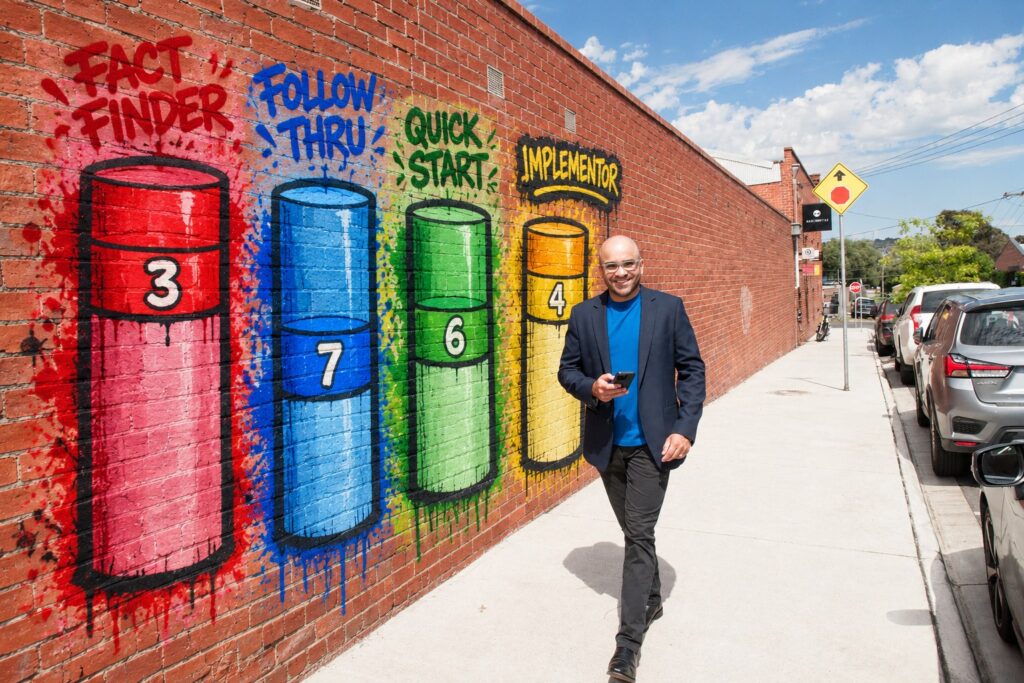
You get a score out of ten across four areas: Fact Finder, Follow Thru, Quick Start and Implementor.
My result is 3764
- Fact Finder 3. I tend to skim the detail and get to the point.
- Follow Thru 7. I like building the structure and rhythm that turns a plan into something that actually happens. Probably handy in my line of work!
- Quick Start 6. I’m comfortable experimenting and making changes.
- Implementor 4. I can work with tangible things, but it’s not where I naturally focus.
None of those numbers is good or bad. The interesting part is what happens when you put different combinations of strengths around a table.
Where Kolbe gets useful for a leadership team
Someone who wants to explore every detail might frustrate someone who just wants to get moving. But when they understand how each other works, that difference can become a real advantage.
I saw this with a client last week. You could see the initial aha moment as people started to understand why their colleagues approached things differently. That’s the hidden gem: not just understanding yourself, but understanding the people you work with every day.
It also makes everything else easier. When a team knows how each other operates, it’s far simpler to be straight with one another about what was agreed and who owns it, which is the heart of real leadership team accountability.
Where to start
If your team has already done Kolbe, pull the results back out at your next leadership meeting and spend ten minutes on them. Ask each person what they find easy and what they find draining. The conversation usually goes somewhere useful.
I’m a Certified EOS Implementer® working with leadership teams across Geelong, Melbourne, Sydney and Sri Lanka, and this sort of conversation comes up constantly.
So if you’ve done Kolbe, how has understanding each other’s natural strengths helped your team work better together? I’d love to hear about it. And if you’d like to talk about how this fits with the way your leadership team runs, get in touch.


More Articles
 Oct 21, 2026
How to Build Real Leadership Team Accountability
Accountability on a leadership team is a structure, not a personality trait. Where it breaks down, and the four things…
Read More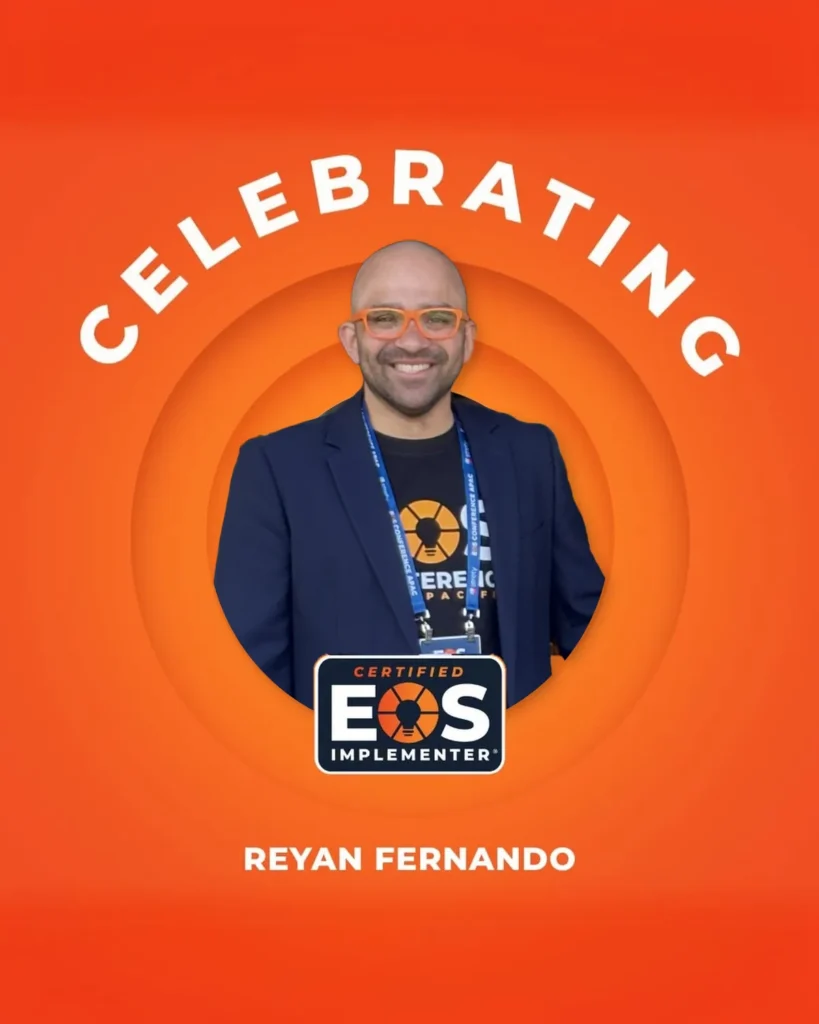 Sep 29, 2026
I’m Now a Certified EOS Implementer®
I've been promoted to Certified EOS Implementer® by EOS Worldwide — here's what that means and what stays the same.
Read More Sep 16, 2026
Leadership Team Meetings That Actually Get Things Done
Most leadership team meetings are a status update nobody needed. Here's the 90-minute structure I use with leadership teams in…
Read More